Perhaps one of the difficulties of living with a painful past is that, after a while, we begin to use it not only to remember what happened to us, but also to decide what is possible for us. Our experiences shape how we see the world, the people we trust, the things we fear losing and the future we believe we can safely imagine. This is not necessarily wrong; we would be foolish to ignore what history has taught us, and there are losses that should never be forgotten simply because remembering them is difficult. But there comes a point when we must ask whether the past has begun to occupy so much of our understanding of who we are that we have difficulty imagining ourselves as anything beyond its consequences.
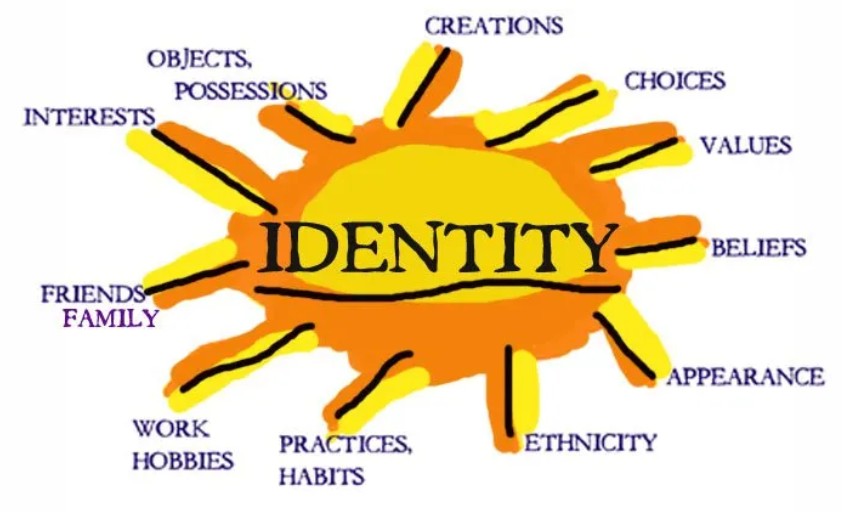
Identity should give us a sense of who we are, but it should also help us decide who we want to become. It lives in the food we prepare, the colours we celebrate, the languages we speak, the songs we remember, the traditions we practise and the aspirations we hold for our children. These things connect us to where we come from, but they are not meant to leave us standing still. Every generation must find its own ways of living its culture, carrying its history and giving new meaning to the things it values. We are not only the people who have come before us, nor are we only the things that have happened to us; we are also the people we are still capable of becoming.
When we think about identity in this way, it becomes difficult to understand why it should have to be a source of so much anxiety. There is nothing unusual about wanting our children to speak our languages, know our stories, enjoy our food, wear our colours and grow up with an understanding of the places and people that shaped their families. We want our cultures to survive, not merely as reminders of an earlier time, but as living parts of the world our children will inhabit. We want them to take pride in who they are, to have the confidence to carry their traditions forward and the freedom to discover new ways of expressing them. These are ordinary human aspirations, and there should be room for all of us to pursue them.
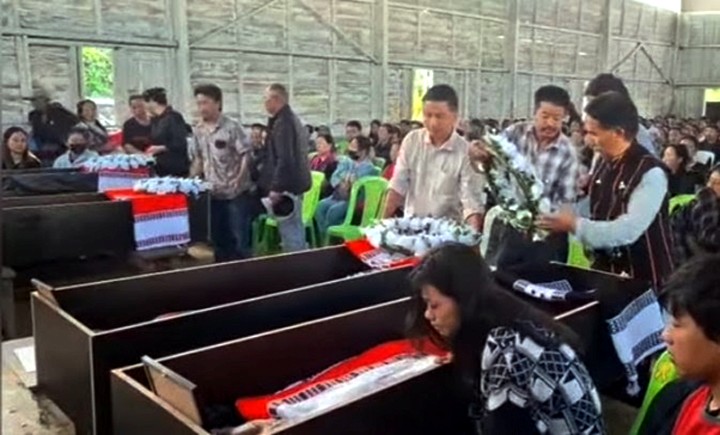
Yet, when we look at Manipur today, identity is difficult to separate from the fears, grievances and competing claims that have become part of our public life. The events since May 2023 have made questions of belonging, land, security, history and the future painfully immediate, and we cannot pretend that these are simply misunderstandings that might disappear if people were more willing to appreciate one another’s cultures. For many, what is at stake is not merely a sense of cultural pride, but the ability to live safely, protect what matters to them and have some confidence about what tomorrow might bring. Any discussion of identity that fails to acknowledge these realities would be too comfortable to be of much use.
But perhaps it is precisely because these questions matter so deeply that we must examine how we have come to understand them. When a community has experienced fear or loss, its understanding of identity may become closely tied to the need to prevent those experiences from happening again. This is understandable, and there are times when vigilance and the defence of legitimate rights are necessary. The difficulty begins when the experience of having been hurt becomes the principal way through which every new situation is interpreted, when the past supplies the explanation before the present has been properly examined, and when the possibility of a different future becomes difficult to imagine because we are so occupied with preventing the return of an earlier one.
We may begin to see our identity primarily in terms of what we have lost, what we have been denied, what we believe is under threat and what we must never allow to happen again. Our histories become the grounds on which we judge the intentions of others, and our fears begin to influence how we understand even those who have had little part in the experiences that shaped them. The question of who we are slowly becomes inseparable from the question of what we must defend, and the future begins to look less like a place we can create together and more like a place we must secure against the possibility of being hurt again.
This is not to say that history should be set aside, or that grievances lose their importance simply because they have been carried for a long time. There are wrongs that require acknowledgement, claims that deserve serious consideration and experiences that must be heard before trust can even begin to be rebuilt. Remembering can be an act of dignity, and refusing to remember can sometimes mean asking those who suffered to bear the burden of making others comfortable. But there is a difference between remembering what happened and allowing what happened to determine everything we believe is possible now. We can take our history seriously without assuming that it has already written every chapter that follows.
Perhaps one of the things we could have done differently was to pay closer attention to the way our understanding of identity was changing. We could have asked whether the stories we repeated about one another were helping us understand our differences or merely confirming the suspicions we already held. We could have questioned the certainty with which we interpreted another person’s intentions, particularly when that interpretation fitted neatly into what we had come to fear. We could have made greater demands of our leaders and institutions, asking them not only to defend the interests of the people they represented, but also to explain how their decisions might help us move towards a future in which those interests could be protected without making every disagreement more difficult to resolve.
None of this means that a different conversation would necessarily have prevented what happened, and it would be unfair to suggest that the people of Manipur could have avoided every tragedy simply by being more understanding. The causes of our present situation cannot be reduced to a single failure of attitude, and questions of rights, security, governance and political responsibility require more than appeals to goodwill. Still, we must be willing to consider whether, at different moments, we allowed the defence of identity to become so consuming that we gave too little attention to the consequences of the ways in which we were defending it. We cannot change the past by asking these questions, but we may learn something about the choices that remain before us.
There is also a more personal difficulty here, because none of us encounters history from a completely neutral position. We grow up hearing particular accounts of events, learning what our families remember, understanding which experiences have shaped the people around us and absorbing, sometimes without realising it, the distinctions through which our world is explained. Over time, these accounts become part of the way we recognise ourselves and understand our place among others. We know the reasons behind our own anxieties, the memories that make certain subjects difficult and the experiences that have taught us to be cautious. But we may not always extend the same patience to those whose identities have been shaped by different experiences, and we may find it easier to understand our own attachment to a place than to consider what another person’s attachment means to them.
This is where identity can become restrictive without us necessarily noticing it. We begin by wanting our own experiences to be recognised, but may gradually become less willing to recognise experiences that complicate our understanding of the world. We want our history to be heard, but find another history difficult to accommodate. We want others to understand why we are afraid, but may interpret their fear as hostility towards us. In this way, the very thing that helps us understand ourselves can narrow our ability to understand the people around us, until we begin to see them less as individuals with their own complicated lives and more as representatives of positions we have already learned to distrust.
The danger is not that we will forget who we are, but that we will come to understand ourselves so narrowly that we can imagine very little beyond the need to remain as we are. Identity then becomes less a source of creativity and possibility than a permanent exercise in defence. We spend our energy establishing what must be protected, what must not change and what cannot be conceded, while giving less thought to what we might create, what we might learn and what we would like the next generation to experience differently from us. We become so concerned with ensuring that our children do not lose what matters to us that we may forget to ask what else they deserve to gain.
Every culture, after all, is more than the record of what it has survived. It is also the work people continue to do: the stories they tell, the food they prepare, the music they make, the practices they adapt, the knowledge they preserve and the ideas they bring into the world. Our languages can carry new thoughts without losing their character; our traditions can remain meaningful while finding expressions suited to changing lives; and our young people can honour where they come from while imagining futures that their parents and grandparents could not have anticipated. A living identity must have room for this movement. If we define it only by what must never be lost, we risk overlooking all the things it is still capable of becoming.
I wonder what it would mean for us to think about identity more prospectively, particularly now, when so much of our attention has been drawn towards what has happened and what must be defended. What would we like our children to be able to do because they belong to the communities they belong to? What knowledge, creativity, confidence and sense of responsibility would we like them to carry into the world? What could our cultures contribute to a future that is not defined entirely by the grievances of the present? These are not questions that replace the need to address injustice or protect legitimate rights. They are questions that remind us that protecting our communities should be about preserving the possibility of a meaningful future for them, not only preventing the return of a painful past.
And perhaps this is where we need to be careful about what we ask identity to do for us. It cannot settle every historical disagreement, guarantee our security or provide a simple answer to every question of belonging. Nor should it be expected to tell us everything we need to know about people whose histories and experiences differ from our own. Those responsibilities belong to the work of understanding, to the institutions we build, to the conversations we are willing to have and to the decisions we make when our interests do not easily align. We can take pride in who we are without requiring our identity to become the measure of another person’s worth, and we can protect what matters to us without assuming that everything unfamiliar must be a threat.
Looking at where we stand today, after so much anger, so many departures and so much uncertainty about what winning might mean, I do not think we can afford to treat identity as a question that belongs only to the past. The things that make us who we are will continue to matter, perhaps even more deeply because of what we have experienced. But the way we carry them forward remains a choice we must keep making. We can carry our histories as a source of knowledge, a reminder of what needs to be repaired and a reason to build something better, or we can allow them to become the limits of what we believe is possible. We can teach our children to remember what happened, while also giving them the freedom to imagine a future that does not have to repeat it.
I do not know whether we are ready to make that distinction, and I would not want to pretend that it is easy for people who are still living with the consequences of what has happened. There are questions that remain unanswered and wounds that cannot be hurried towards healing. But perhaps we can begin by asking ourselves whether the future we are trying to secure is one we have actually imagined, or whether we have become so occupied with protecting ourselves from the past that we have not yet found the time to decide what we want that future to look like.
We want our children to know who they are. We want them to speak their languages, remember their stories, celebrate their cultures and feel a deep connection to the places from which they come. But we must also leave them room to become people whose lives are not entirely determined by the fears and grievances of those who came before them. They should be able to carry their identity with pride, without believing that pride requires them to live in permanent opposition to someone else, and to take their history seriously without assuming that the future has already been decided by it.
Perhaps the problem of identity begins when we become so concerned with proving that we know who we are that we stop asking who we might yet become. And perhaps, standing where we do today, that is the question we can no longer afford to leave unanswered.

Sam Khumanthem writes about home, identity, and the quiet complexities of life in Manipur. His work reflects a deep connection to place, shaped by both love and uncertainty.