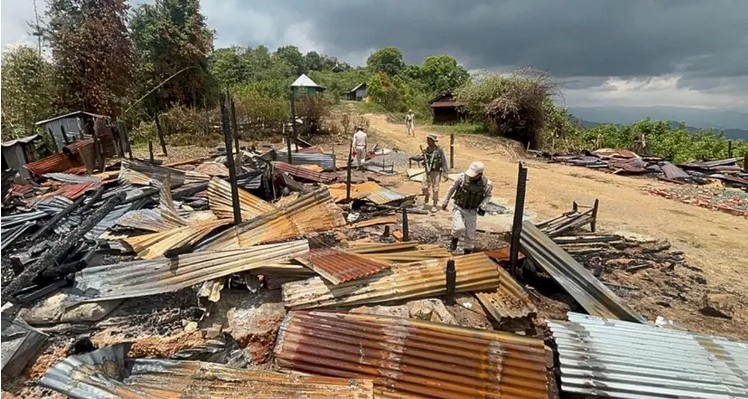

The relationship between communal identity and peace has long been a subject of concern in political philosophy, sociology, and peace studies. Human beings naturally belong to communities defined by religion, ethnicity, language, culture, race, or nationality. These communal identities provide individuals with a sense of belonging, meaning, and security. However, when communal identities become exclusive, rigid, or politically manipulated, they often generate distrust, discrimination, and conflict. Throughout history, many violent confrontations, from religious wars in medieval Europe to ethnic conflicts in Africa and communal riots in South Asia, have emerged from the inability of groups to coexist peacefully despite their differences.
Modern societies have attempted to address these tensions through legal frameworks, constitutional guarantees, multicultural policies, and democratic institutions. While these measures are essential, they often fail to address the deeper moral and psychological roots of communal conflict. Laws may regulate behavior, but they cannot by themselves cultivate mutual respect, empathy, and ethical responsibility. Consequently, there remains a significant gap between the existence of communal identities and the achievement of genuine peace. This essay argues that a moral approach offers the most promising means of filling this gap by fostering ethical relationships that transcend communal boundaries without erasing communal distinctiveness.
Communal identity refers to the collective sense of belonging shared by members of a particular community. It is formed through common traditions, beliefs, historical memories, symbols, and social practices. Communal identity serves several important functions. It provides individuals with cultural continuity, social solidarity, and a framework for interpreting the world. Thinkers such as Charles Taylor have emphasized that identity is not merely an individual possession but is shaped through recognition by others. Communities contribute significantly to the formation of personal identity and self-respect. Similarly, Alasdair MacIntyre argues that individuals understand themselves through the narratives and traditions of their communities.
Yet communal identity possesses an inherent duality. It can inspire solidarity within a group while simultaneously creating divisions between groups. The distinction between “us” and “them” often becomes a source of prejudice and hostility. When communities define themselves primarily through opposition to others, identity transforms from a source of belonging into an instrument of exclusion.
The Challenge of Peace in Plural Societies
Peace is often understood negatively as the absence of violence. However, peace in a deeper sense requires harmonious coexistence, mutual respect, justice, and cooperation among diverse groups. In plural societies where multiple communal identities coexist, achieving such peace becomes particularly challenging. Political arrangements may suppress open conflict without eliminating underlying resentment. Economic development may improve living standards while leaving social divisions intact. Educational systems may promote civic values yet fail to overcome inherited prejudices. Consequently, societies frequently experience recurring tensions despite possessing democratic institutions and legal safeguards.
One reason for this failure is that communal conflicts are rarely caused by identity alone. They emerge when identities are linked with fear, historical grievances, competition for resources, or political mobilization. Political leaders often exploit communal sentiments to consolidate power, transforming cultural differences into antagonistic divisions. The resulting conflicts reveal a gap between institutional peace and moral peace.
The Moral Gap in Communal Relations
The central problem lies not merely in the existence of different communities but in the absence of moral engagement between them. Members of different groups often interact through stereotypes rather than genuine understanding. They may acknowledge one another’s legal rights while remaining indifferent to one another’s dignity.
This moral gap reveals itself in a variety of ways. Communities often struggle to empathize with the experiences and suffering of groups other than their own, resulting in a narrow understanding of justice and fairness. Moral principles that are passionately defended when one’s own community is affected are frequently ignored when similar injustices are faced by others. Over time, historical prejudices and inherited suspicions further deepen these divisions, creating barriers that are difficult to overcome. The absence of genuine dialogue and mutual recognition compounds the problem, as communities become trapped within their own narratives and fail to appreciate the perspectives of others. In many cases, these tensions are intensified by political actors who exploit communal identities for strategic gain, transforming cultural or religious differences into sources of rivalry and conflict. Consequently, peace remains fragile, not because diversity itself is problematic, but because the moral foundations necessary for respectful coexistence have been weakened. When these conditions prevail, peace becomes fragile because it rests solely on external constraints rather than internal moral commitments.
The Moral Approach to Peace
A moral approach seeks to transform relationships between communities by cultivating ethical virtues that transcend communal boundaries. It does not require individuals to abandon their identities. Rather, it encourages them to recognize the humanity of others alongside their own communal loyalties.
Several moral principles are particularly important.
Human Dignity
Every individual possesses intrinsic worth regardless of communal affiliation. The recognition of human dignity provides a universal moral foundation for peaceful coexistence. Respect for persons must take precedence over communal prejudice. The philosophy of Immanuel Kant remains relevant in this regard. Kant’s insistence that human beings should always be treated as ends in themselves challenges any attempt to dehumanize members of other communities.
Empathy
Empathy enables individuals to understand the perspectives and suffering of others. Communal conflicts often persist because groups remember only their own grievances. A moral approach encourages reciprocal understanding and shared humanity. The ethical philosophy of Emmanuel Levinas, for instance, emphasizes responsibility toward the Other. For Levinas, ethical relations begin when one recognizes the vulnerability and dignity of another person.
Justice
Peace cannot endure without justice. Communities must be treated fairly in matters of political representation, economic opportunity, cultural recognition, and legal protection. Moral peace requires impartial principles that apply equally to all groups.
Forgiveness and Reconciliation
Historical wounds often sustain communal hostility for generations. While justice remains necessary, lasting peace also requires reconciliation. Forgiveness does not mean forgetting past wrongs; rather, it involves refusing to allow those wrongs to determine the future indefinitely. The reconciliation processes associated with Nelson Mandela after apartheid demonstrate how moral leadership can transform deeply divided societies.
Moral Education as a Bridge
The cultivation of moral values cannot be left to spontaneous social development. Educational institutions play a crucial role in fostering ethical citizenship. Schools and universities should encourage:
- Critical examination of stereotypes.
- Intercultural understanding.
- Ethical reasoning.
- Respectful dialogue.
- Shared civic responsibility.
Moral education should not promote uniformity of belief. Instead, it should teach students how to engage constructively with difference. Such education helps transform communal diversity from a source of conflict into a source of enrichment.
Dialogue and Moral Recognition
Dialogue serves as a practical expression of moral commitment. Genuine dialogue requires more than formal communication; it demands openness, humility, and willingness to learn from others. The philosophy of Martin Buber highlights the importance of the “I–Thou” relationship, where individuals encounter one another as persons rather than objects. Applied to communal relations, this perspective encourages mutual recognition and respect. Through dialogue, communities can discover shared concerns, correct misunderstandings, and build trust. Moral recognition does not eliminate differences but enables groups to coexist despite them.
Many contemporary societies emphasize tolerance as the basis of peaceful coexistence. While tolerance is valuable, it often implies merely enduring the presence of others. A moral approach aspires to something deeper: solidarity. Solidarity involves active concern for the well-being of other communities. It recognizes that the suffering of one group affects the moral health of society as a whole. When communities stand together in defense of justice, equality, and human dignity, peace becomes more resilient.
Communal identities are neither inherently peaceful nor inherently conflictual. They become sources of division when detached from ethical responsibility and mutual recognition. Legal frameworks, political institutions, and economic development remain indispensable for maintaining social order, but they cannot alone create genuine peace. The gap between communal identity and peace is fundamentally a moral gap.
A moral approach fills this gap by cultivating human dignity, empathy, justice, reconciliation, dialogue, and solidarity. Rather than seeking to eliminate communal identities, it seeks to transform the manner in which they relate to one another. Peace emerges not from the absence of difference but from the presence of ethical relationships across difference. In an increasingly plural and interconnected world, the future of peaceful coexistence depends less on the management of identities and more on the moral imagination that enables communities to see one another as partners in a shared human destiny.

The writer is Assistant Professor, Imphal College