We all know the digital persona we mould ourselves into is different from the real us. At least, that seems to be the general consensus of our modern digital age. We often joke about the clear dichotomy between our lives and the curated reels we post online.
But what if that dichotomy no longer exists?
In 1981, French philosopher Jean Baudrillard wrote the essay collection Simulacra and Simulation, exploring how television and advertising were consuming society. He opened it with a fabricated quote attributed to the Book of Ecclesiastes: “The simulacrum is never what hides the truth—it is truth that hides the fact that there is none. The simulacrum is true.” Though written decades before, his narrative feels eerily relevant today.
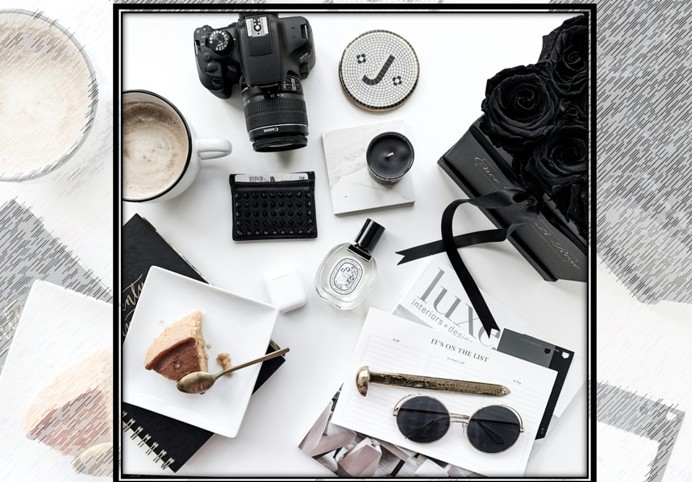
Since the “Aesthetic Vlog” genre is wildly popular, let’s take an example of a person making one and how it perfectly mirrors Baudrillard’s four stages of the simulacrum. First is the Reflection: you have a premise for your vlog, and you want to keep it as authentic as possible. You build a simulation which is a model of your daily life. Now comes the Masking of Reality: you hide certain parts of your life. In this context, maybe that is the drudgery of setting the right camera angle or lighting, the messiness of your room, or the leftover meal which doesn’t look aesthetic. Next the vlog begins Masking an Absence. You are performing an aesthetic lifestyle for an internet entity. Finally comes the descent into Pure Simulacrum: the act of trying to keep up with the performance of living an aesthetic life is your reality. The real life disintegrates. Or in Baudrillard’s phrase, the precession of simulacra. This state is the Hyperreal.
Social media is no longer a pretend world, and there is no dichotomy left. Our daily digital habits have all been mushed into this hyperreal system. When we post a photo, are we capturing a genuine moment, or performing happiness? We plan entire vacations around how a tourist spot will look on our digital profiles. How uncomfortably redundant we have all become. We even stage our candid photos, completely erasing the original meaning of the word. And even when we try to rebel against this by posting casual photo dumps or blurry pictures to prove how authentic we are, we are just curating a new aesthetic. We are meticulously performing our messiness. Projects like the music video Clichés and the profile Insta Repeat capture this perfectly, documenting just how un-unique we have all become. There is, however, a strange comfort in being self-aware. In Baudrillard’s view, there is no escape from it, and other philosophers do critique his viewpoint as that of a privileged academic sitting in an ivory tower. As for where one stands, the line between reality and performance is still a blur. We are caught in the tension between two impulses: to zoom out, understand the game, and remain, in Baudrillard’s terms, melancholy observers or to accept that we are human beings full of contradictions who, despite knowing better, will still smile for the camera.

Yanglem Dimpy Devi is a research scholar at IISER Mohali, specializing in computational soft-matter physics. Her interests include science fiction, its philosophical dimensions, and the role of scientific literature in shaping society.