India never directly calls us “cockroaches.” But it treats us exactly like the cockroach that the “Cockroach Janta Party” meme imagines—a species to be scorned, hunted, and erased. The word may not be spoken in Parliament, but it is written into policy, silence, and the way the system divides Manipur into Kuki cockroach, Naga cockroach, and Meitei cockroach. This is not a slip of the tongue. It is a script, and Manipur’s politicians are its actors.
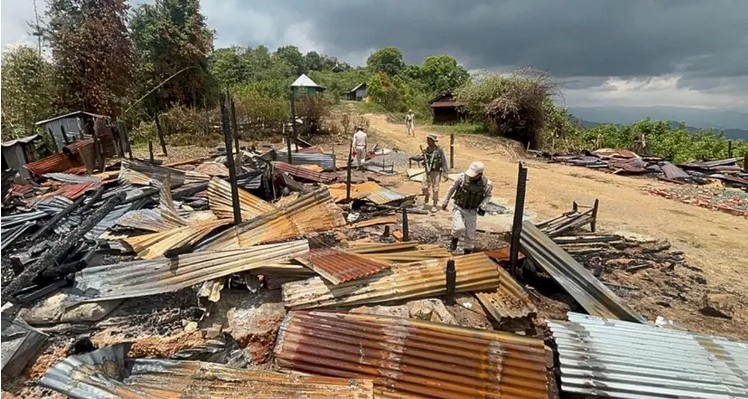
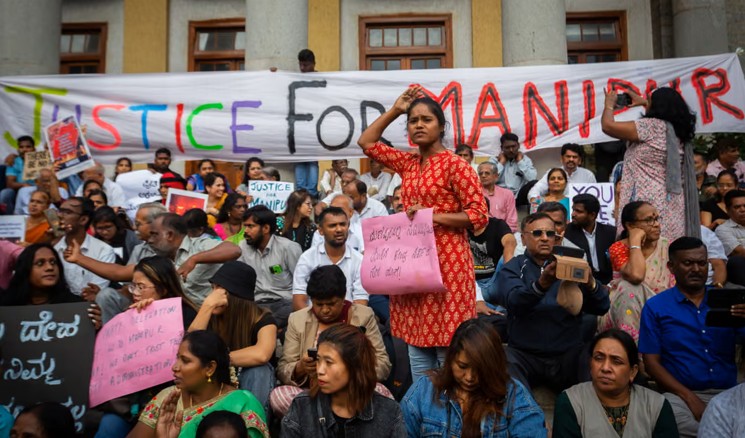
Since 3 May 2023, we have been treated like pests in our own land—named, hunted, and pitted against each other while those in power looked on. The bodies, the burnt houses, the multiplying funerals, the revolving drama between Kuki, Meitei, and now Naga: this is not “clash”; it is a theatre carefully managed. The cameras and committees arrive late—not because they cannot intervene, but because intervention would disturb the equation Delhi and the state treat as “normal”: a divided Manipur is a controlled Manipur.
And who runs this script from the ground? The 60 MLAs of Manipur. They are the middlemen, the “big cockroaches” in the eyes of Delhi—large enough to be noticed, small enough to be kicked when convenient. They pass on blame, shuffle promises, and broker favours across communities as if we were cockroach castes on a caste‑sheet. Many are not merely complicit; they are punishable, and they must be overthrown.
This is not an accident. To call it an accident is to grant innocence to the machinery of power in Imphal and New Delhi. When the state, the media, and the “Cockroach Janta Party”‑style narrative reduce us to Kuki cockroach, Naga cockroach, and Meitei cockroach—even without uttering the word—the logic is clear: pests must be removed. Dehumanisation becomes licence for atrocity; killing neighbours is recast as a “necessary step.” The state often does not pull the trigger; it hands out knives and lets us do the work. The 60 MLAs help by drawing the lines, naming the enemies, and fencing the land into cockroach zones they call “development” or “security.”
Divide‑and‑rule is older than the republic, yet today it is sharper and more digital. Promises are dangled over WhatsApp, blame is shifted in press releases, and identities are turned into scorecards. One caste is praised; another demonised; the third ignored. In this game, trust is liquidated, friendships are risk, and solidarity is just a slogan. The 60 MLAs are the local engineers of this project—less leaders, more contractors hired to keep the floor of Manipur dirty so that the exterminator’s services are always in demand.
History, however, offers a different script: endurance rooted in collective solidarity. If we begin to see ourselves only as Kuki cockroach, Naga cockroach, or Meitei cockroach competing for space in the same rotten Indian house, the project succeeds. But if we refuse this label, if we see the cockroach janta image as a colonial‑style tactic to crush Manipur, then a new front opens. Manipur is not the property of an elite, a party, or a caste. It is a shared geography of lives, tongues, and futures. The 60 MLAs may control the Assembly, but they do not own the land or our conscience.
Manipuri youth must act
First, name the strategy. Call out India’s divide‑and‑rule when you see it—on TV, on social media, in WhatsApp groups. Name the 60 MLAs as the “big cockroaches” in the eyes of Delhi, intermediaries in our degradation. Reject leaders who never say “cockroach” but act as if we are pests. Refuse the narratives that turn brothers and sisters into enemies.
Second, build bridges in the real world. Students must organise across campuses, not just within them. Mothers must gather across communities. Elders must insist on shared funerals, shared food, and shared memory. Youth must create spaces where Kuki cockroach, Naga cockroach, and Meitei cockroach are not castes but neighbours reclaiming the same roof.
Third, demand accountability—not only from Delhi, but from the 60 MLAs themselves. They are not untouchable. They are accountable, and they are punishable. The next election, the next protest, the next street movement must be the moment they are thrown out of the house they have infested.
We are not pests. We are people. If we unite, the cycle of violence can be broken. If we stay divided, the “cockroach‑free” Manipur dreamt up in Delhi will be a euphemism for our erasure. The 60 MLAs will not save us; they will only sell us. The choice is ours—to stand together and reclaim Manipur, or to be divided and expelled. Which side of history will we choose?