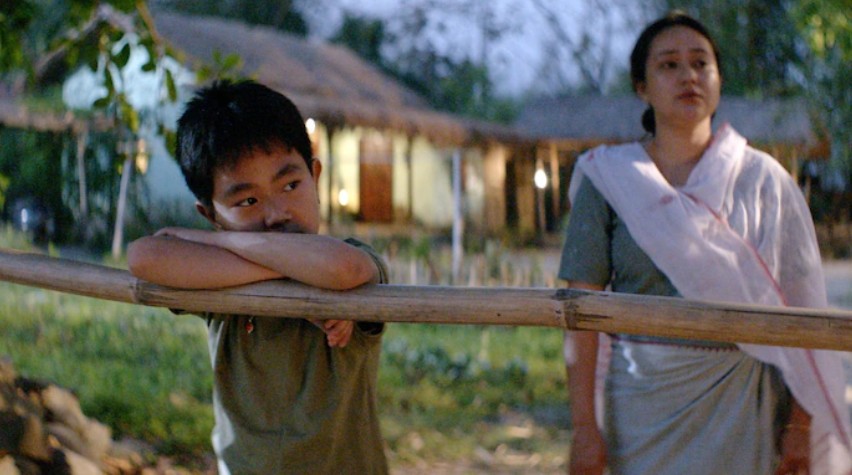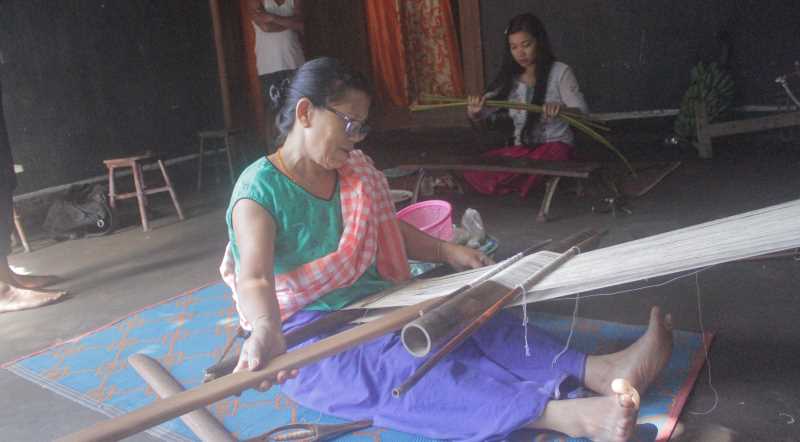

Culture forms the very basis of any society. It shapes identity, sustains collective memory, and provides individuals with a sense of belonging. Among the Tangkhul Nagas of Ukhrul in Manipur, culture is not an abstract idea but a lived reality—expressed through festivals, customary practices, food habits, and shared community life. These practices carry within them the accumulated wisdom and values of generations. Yet, in the context of rapid global transformation marked by scientific advancement and technological innovation, an important concern arises: to what extent can a society progress if it remains overly confined within its inherited traditions?
It is important to acknowledge that culture plays a crucial role in maintaining social cohesion. Festivals such as seed-sowing and plantation celebrations are not merely ceremonial occasions; they reinforce community bonds and affirm a shared identity. They serve as reminders of continuity, linking the present with the past. However, culture, when treated as static and unchanging, risks losing its vitality. Practices that are repeated without critical reflection or reinterpretation may gradually shift from meaningful expressions to routine performances. In such cases, culture ceases to be dynamic and becomes instead a form of social inertia.
At the same time, the human condition is inherently oriented toward growth and advancement. The pursuit of education, the desire for improved living conditions, and the aspiration for progress are fundamental to human society. Development is not incidental; it is intentional. Across the globe, several nations have demonstrated that cultural identity need not be sacrificed in the process of modernization. Countries such as Japan, China, and many European states have managed to retain their cultural distinctiveness while actively engaging with technological and economic progress. Their experience suggests that culture can evolve alongside modernity, rather than stand in opposition to it.
In contrast, when a society places disproportionate emphasis on preserving tradition without a corresponding commitment to development, it may inadvertently limit its own potential. In many local contexts, there is a visible tendency to prioritize cultural activities—festivals, feasts, and customary observances—while comparatively less attention are given to education, innovation, and future-oriented initiatives. Cultural practices, in such instances, risk becoming ends in themselves rather than means of sustaining a progressive society. This imbalance can lead to a form of stagnation, where the repetition of tradition overshadows the pursuit of growth.
An equally significant concern is the social perception of modernity. Individuals who seek to engage with new ideas, pursue higher education, or adapt to changing realities are sometimes viewed with skepticism. Their efforts may be interpreted as a departure from tradition rather than as a continuation of it in a different form. This creates an implicit tension between the preservation of cultural identity and the acceptance of progress. When such attitudes prevail, development is hindered not by lack of capability, but by a reluctance to embrace change.
The contemporary world is characterized by unprecedented transformation. Advances in artificial intelligence, digital technology, and scientific research are redefining the possibilities of human existence. Societies across the globe are continuously adapting to these changes, seeking new ways to improve living conditions and expand opportunities. Within this broader context, it becomes necessary for communities to reflect on their own position. The question is not whether culture should be preserved, but how it can remain relevant in a rapidly evolving world.
Modernity, therefore, should not be understood as a threat to cultural identity. Rather, it offers a framework within which culture can be reinterpreted and sustained. Education and technology, for instance, provide avenues for documenting and promoting cultural heritage in ways that were previously unimaginable. At the same time, they encourage critical thinking and innovation, enabling individuals to contribute meaningfully to society. Culture, when approached thoughtfully, can serve as a foundation for progress rather than a constraint upon it.
The challenge lies in negotiating a balance between continuity and change. It requires a conscious effort to preserve the essence of cultural identity while allowing its forms to adapt to contemporary realities. A society that is able to maintain this balance is better positioned to move forward without losing its roots. It allows individuals to remain grounded in their heritage while actively participating in the broader processes of development.
In conclusion, culture and modernity should not be viewed as opposing forces but as complementary dimensions of social life. To neglect culture is to lose one’s identity, but to resist progress is to limit one’s future. The task, therefore, is not to choose between the two, but to integrate them in a meaningful way. A community that remains rooted in its traditions while embracing the possibilities of modernity will not only preserve its heritage but also ensure its continued relevance in an ever-changing world.

The writer is an Asst. Prof. Dept of History, St. Joseph College, Ukhrul. The views expressed are writers own