
On May 3, the Manipur ethnic conflict completed three years. On this day three years ago, a rally by hill tribes against a demand for Scheduled Tribes status by the predominantly Hindu Meiteis, turned violent at Churachandpur district.
Images and videos of the violence saturated the internet thereafter, and by evening the violence began echoing in pockets of Imphal city. By May 4, mayhem engulfed Imphal and several other townships in both valley and hills.
Quite tellingly, hostility remained restricted to Meiteis and Kuki-Zos, although Nagas also held the same rally. This was however ignored by most outsider commentators already locked on to conflict templates of Hindus vs Christians, non-tribal vs tribals etc. Now a developing Naga-Kuki violent clashes have exposed how woefully sort these templates were.
The fear is, this new conflict front can become far more disastrous, given that Nagas and Kukis share virtually the same living space. Nagas claim they are the custodians of the land and they had allowed Kukis to settle there as tenants. Kukis dispute this.
A lucrative narcotics trade being also a driver in the Manipur conflict, third-party vested interests in a curated anarchy that facilitates this trade cannot be ruled out. The extent of illegal poppy cultivation in the state, according to official estimates from satellite imageries is over 16,000 hectares. The infamous Golden Triangle has expanded into Manipur.
An atmosphere of deep mistrust between communities, and between different conflict stakeholders and government security organs is an unfortunate consequence. Meiteis and Nagas suspect central forces, particularly Assam Rifles, of using Kukis as proxy fighters to undermine them, while the Kukis see state police as biased against them. A single spark therefore can still ignite infernos.
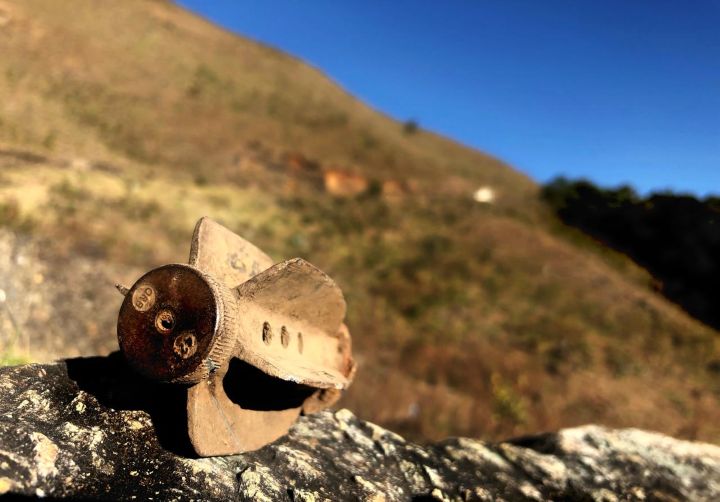
Developments during just the last month, starting explosively from an incident of a mortar shell fired at Tronglaobi village in Bishnupur district bordering Churachandpur in the wee hours of April 7, killing two children of a BSF personnel in their sleep and injuring their mother, illustrate this.
This Meitei village is flanked by the Thangjing range to the west, and literally surrounded by several security posts. The area is under Armed Forces Special Powers Act, although AFSPA has been lifted from valley areas closer to Imphal city. The morning after the mortar incident, a mob, incensed by suspicion of central forces using their alleged proxies in the attack, stormed the nearby CRPF camp, and in retaliatory fire, three were killed.
Then on April 14, CISF and police made a haul of 6.74 kg brown sugar at Imphal airport from a passenger from Kwakta village, a few kms beyond Tronglaobi.
By coincidence or otherwise, later the same day, some men heading to Kwakta in two civil vehicles ran into a Meitei mob blockading the road at Thinungei village. All except one in these vehicles were non-locals. They were in plainclothes, carried firearms, identified themselves as Assam Rifles personnel but declined showing their identity cards.
When the mob got aggressive, the rear vehicle u-turned and drove away to return with some policemen. By then the mob was beyond pacification. They attacked the men, thankfully not fatally, and torched their vehicles. According to locals, the captured arms of the passengers were returned the next day. Police later clarified miscommunication caused the incident, and the men were on a narcotics raid mission at Kwakta.
During the confrontation, a woman in the mob noticed the lone local man and raised alarm he was Kuki and the men were likely gunrunners. The man turned out to be from Kom community.
A visiting columnist of a legacy weekly lapped up this cue to portray the confrontation as a fallout of communal bigotry, diverting attention from other troubling questions. Why were these armed security personnel travelling to Kwakta in civil vehicles and in plainclothes? Are Assam Rifles now tasked with narcotics control, or is there more to the story?
In Manipur’s rush of catastrophic events, the spotlight soon shifted to another outrage. On April 18, a convoy of Tangkhul Naga passenger vehicles was ambushed along the Imphal-Ukhrul highway, allegedly by Kuki militants, killing two and injuring many, pushing the already dangerous Naga-Kuki friction closer to an explosion. Fresh torrents of conspiracy theories also followed.
This article was first published in The Telegraph. The original can be read HERE

Editor, Imphal Review of Arts and Politics and author