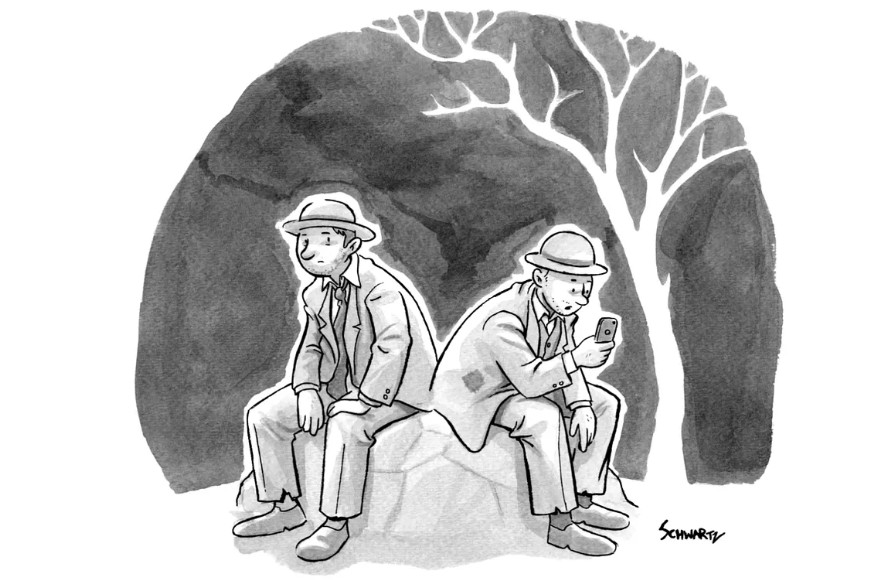
There’s a strange kind of tiredness hanging over Manipur these days.
Not just fear. Not just anger. Something heavier than that.
It’s the tiredness that comes when people realise the people meant to lead no longer know how to.
For the past few years, life here has felt suspended between tension and uncertainty. There are days when things appear normal again. Shops open, traffic returns, people post regular things online, children go to school. But even in those moments, there’s always this feeling underneath everything — that things are not okay, only temporarily quiet.
And somewhere along the way, many people stopped looking toward politicians for answers.
That itself says a lot.
Growing up, politics in Manipur always felt emotional. People argued about it passionately. Leaders mattered. Elections mattered. Communities rallied behind individuals because there was still this belief that during difficult times, somebody would stand up and take responsibility. Maybe not perfectly, maybe not without flaws, but at least with some sense of courage.
Now it often feels like everyone is just managing perception.
The violence, the displacement, the division between communities — these things changed people deeply. Relationships became cautious. Conversations became guarded. Even ordinary interactions started carrying invisible tension. And while all of this was happening, many politicians seemed strangely disconnected from the emotional reality on the ground.
There were statements, meetings, press conferences, condemnations. But most of it felt rehearsed. Safe. Measured.
Not real.
That’s probably what disappointed people the most. Not that leaders failed to magically solve everything overnight — nobody expects that. But people expected honesty. Presence. Some visible moral courage.
Instead, what many saw were politicians carefully choosing words so they wouldn’t upset their own side too much.
And that’s the problem with Manipur right now. Everyone talks to their own people. Very few talk to each other.
Every side has voices. Every side has narratives. Every side has pain. But leadership is supposed to be the thing that rises above emotional camps, not sink deeper into them.
Real leadership is uncomfortable. It means calming your own supporters when emotions are running high. It means saying things your own side may not want to hear. It means risking popularity for peace.
That rarely happened.
Most leaders sounded less like statesmen and more like representatives of emotional constituencies. They reacted instead of guiding. They calculated instead of confronting hard truths. And slowly, people began losing trust — not only in politicians, but in the entire idea of leadership.
You can feel that cynicism everywhere now.
People no longer ask, “Who will solve this?”
They ask, “Does anybody even want to solve this?”
That’s a painful shift.
And maybe that’s why public frustration feels so personal now. Because this isn’t only about administration or policy failure anymore. It feels emotional. People feel abandoned.
Families who lost homes. Young people who lost years of normal life. Business owners barely surviving. Students growing up in an atmosphere of fear and division. Everybody carries some version of exhaustion now.
But politics often continued as usual.
Sometimes it honestly felt like the public was grieving while politicians were strategising.
And the saddest part is how quickly society adapts to this abnormality. At first, every violent incident shocks people. Then slowly, people stop reacting with surprise and start reacting with resignation. That’s dangerous. When people begin accepting instability as permanent, something inside society changes.
You can already see it among young people.
A lot of them no longer speak about changing Manipur. They speak about leaving it.
And that should terrify any leader.
Because when the younger generation loses emotional investment in their own home, the damage goes beyond politics. It becomes psychological.
The unfortunate truth is that division also creates political opportunity. Fear unites vote banks. Anger creates loyalty. Communities become easier to mobilise when they feel threatened. And once politics starts benefiting from emotional polarisation, peace becomes complicated.
Not impossible. Just inconvenient.
That’s why many people today feel that politicians are no longer doing politics in the true sense. Politics is supposed to involve negotiation, dialogue, compromise, accountability. It’s supposed to involve difficult conversations between opposing sides. But what we often witnessed instead was positioning — who looks stronger, who sounds tougher, who appears more loyal to their own community.
Moderation started looking weak.
Empathy became suspicious.
Even basic humanity sometimes felt politicised.
One of the most heart-breaking things during the crisis has been watching how selective compassion became. People mourned certain deaths loudly and ignored others quietly. Outrage depended on identity. Sympathy depended on community. And leaders often reflected that same selective morality instead of challenging it.
But ordinary people noticed.
People always notice.
They notice when leaders only visit safe areas. They notice when statements are delayed depending on political consequences. They notice when powerful people speak boldly in front of supporters but become vague when real accountability is needed.
And over time, that creates emotional distance between the public and leadership.
Ironically, some of the most human moments during the crisis came not from politicians but from ordinary citizens. Individuals helping neighbours despite tensions. Volunteers quietly working without cameras. Families protecting friendships across communities even while society was pulling apart around them.
Those moments rarely trend online. But they probably kept Manipur from breaking even further.
Because despite everything, many ordinary people are simply tired of hatred now.
Not because they forgot what happened.
Not because wounds healed.
But because constant anger is exhausting.
Most people just want dignity back. Some sense of normal life again. The ability to move around without fear. To speak without immediately being categorised politically or ethnically. To stop feeling emotionally tense all the time.
And honestly, I think that’s what hurts the most about the absence of leadership. During moments like this, societies look for people who can absorb public fear and slowly turn it toward hope. Not perfect leaders. Just steady ones.
But Manipur often felt leaderless emotionally, even when there were people in power.
That distinction matters.
Holding office and leading people are not the same thing.
One gives authority.
The other gives trust.
And trust, broken repeatedly, becomes very difficult to rebuild.
Maybe one day Manipur will heal properly. Maybe communities will slowly rebuild relationships again. Maybe future generations will look back at this period with more clarity than we currently have.
But when history remembers these years, I don’t think people will mainly remember press conferences, political speeches, or party positions.
They will remember who tried to calm the fire.
And who quietly adjusted themselves to the heat.
Sam Khumanthem writes about home, identity, and the quiet complexities of life in Manipur. His work reflects a deep connection to place, shaped by both love and uncertainty.