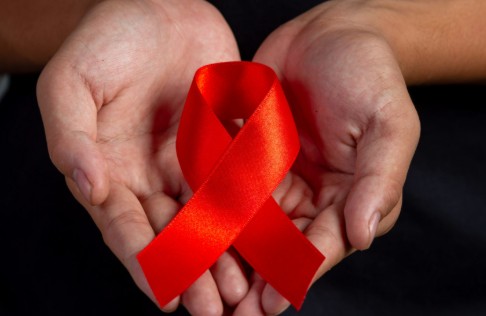
Ibungo, a 22-year-old young man from Imphal, was born to a mother living with HIV. He is the younger of two brothers. His father, who had a history of injecting drug use, passed away more than two decades ago. While his elder brother tested HIV-negative, Ibungo was diagnosed HIV-positive at six months of age despite preventive measures under the Prevention of Parent-to-Child Transmission (PPTCT) programme, including administration of Nevirapine at birth.
Raised by a widowed mother who has herself been on Antiretroviral Therapy (ART) for over twenty years with good treatment response, Ibungo grew up in difficult yet stable circumstances. His mother worked tirelessly to support the family and ensure that both sons received education and care.
Ibungo was informed about his HIV status at the age of 12 while studying in Class VIII. According to his family, he accepted the disclosure without major emotional resistance. Throughout childhood and adolescence, he remained generally healthy apart from occasional skin infections and minor illnesses. After passing matriculation, he was initiated on ART at the age of 15 through the ART Centre at Jawaharlal Nehru Institute of Medical Sciences. During this period, treatment adherence was relatively smooth. An NGO working in the HIV sector frequently assisted him in procuring medicines and completing routine laboratory investigations.
He stayed in a boarding school where the administration was aware of his HIV status and supportive of his treatment needs. He successfully completed higher secondary education and later graduated in Arts from a college in Imphal West. By all accounts, he was considered disciplined, responsible, and free from habits or activities generally viewed negatively by society.
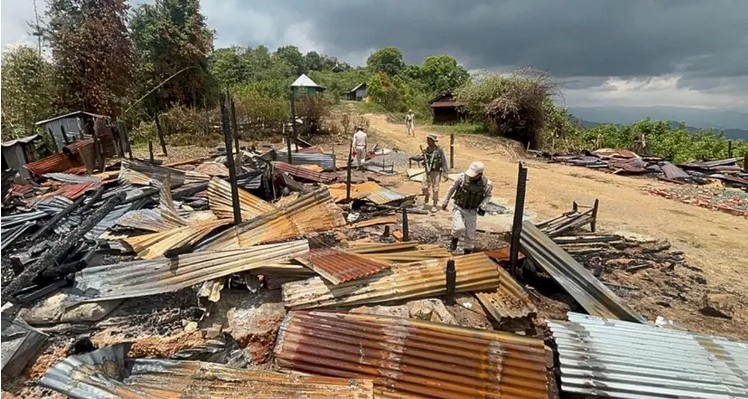
However, the socio-political unrest that erupted in Manipur on 3 May 2023 marked a turning point in his life. Like many young people in the state, Ibungo became actively involved in peace-related movements and frequently travelled within and outside Manipur. During this period, he gradually became irregular with his ART medication. Eventually, he stopped treatment altogether.
Despite repeated attempts by his mother to understand the reason behind his decision, Ibungo remained withdrawn and unwilling to discuss the matter. His mother believes that he became increasingly conscious and uncomfortable about taking medication in front of others during travel, fearing disclosure of his HIV status. Over time, his health began deteriorating. He lost weight, became physically weak, and when his viral load was tested in May 2025, it had risen significantly.
Restarting ART requires close medical monitoring, regular laboratory investigations, and periodic attendance at the ART Centre until viral suppression is achieved again. Once the viral load becomes “Target Not Detected” (TND), longer-duration medicine refills can be provided. However, Ibungo has become resistant to visiting the hospital or engaging with healthcare providers. His mother and elder brother have repeatedly tried to persuade him, but their efforts have been unsuccessful.
The situation has placed enormous emotional strain on the family. Conversations around treatment adherence have become tense and painful, affecting relationships within the household. His mother often faces difficulties at the ART Centre when requesting medicine on his behalf, as protocols require the patient’s physical presence for assessment and follow-up.
At the time of writing, NGO outreach workers continue making efforts to re-engage Ibungo in care. Home visits have been conducted, and blood samples were even collected at his residence to facilitate restarting treatment.
Economically, the family remains functional. His elder brother works on a contractual basis in the construction sector, his mother earns through incense-stick making, and Ibungo himself works as a salesman in a clothing store. Yet beneath this appearance of normalcy lies a serious health crisis. For a person living with HIV, prolonged interruption of ART can lead to immune suppression, opportunistic infections, drug resistance, and potentially fatal outcomes.
Ibungo’s story is not an isolated incident. Increasingly, many young adults who acquired HIV from their parents are becoming reluctant or defiant toward continuing lifelong medication. The reasons vary widely: fear of stigma, self-denial, emotional exhaustion, anger, social pressure, internalised shame, identity struggles, and at times resentment toward parents. Many prefer silence over disclosure, even at the cost of their own health.
More than four decades into the HIV epidemic, a new generation has emerged — children born with HIV who are now entering adulthood. Unlike earlier generations, these youths are not only battling a medical condition but also confronting psychological, social, and identity-related challenges unique to their age group. Transitioning from childhood dependence to adult self-management of HIV care has become a critical and often neglected phase.
The harsh reality is that treatment cannot be forced upon an individual who refuses care. Yet, when so many lives are at stake, the issue demands urgent attention. The remarkable success of HIV programmes over the years in saving lives must now evolve to address this emerging challenge among young adults living with HIV.
Possible Solutions and the Way Forward
Addressing treatment defiance among youth living with HIV requires a compassionate, multi-dimensional, and youth-sensitive approach rather than a purely medical one. Some possible interventions include:
Strengthening Psychosocial Counselling
Regular counselling tailored specifically for adolescents and young adults is essential. Sessions must go beyond medication reminders and address identity, stigma, relationships, future aspirations, and emotional trauma.
Peer Support Networks
Young people often respond better to others with shared lived experiences. Creating safe peer-led support groups can reduce isolation and normalise treatment adherence.
Youth-Friendly ART Services
ART centres should become more flexible and less intimidating for young adults. Community-based medicine delivery, tele-consultation, mobile outreach, and discreet refill systems may improve engagement.
Family Counselling and Mediation
Families also require support. Structured family counselling can reduce blame, improve communication, and help rebuild trust within households affected by treatment refusal.
Mental Health Integration
Depression, anxiety, trauma, and self-stigma are often hidden factors behind treatment discontinuation. Integrating mental health professionals within HIV care systems is increasingly necessary.
Community Awareness to Reduce Stigma
Persistent stigma remains one of the biggest barriers. Public education and community sensitisation can help create environments where young people feel safer disclosing or managing their condition.
Research and Policy Review
There is an urgent need to study this emerging population of young adults born with HIV. Their experiences, behavioural patterns, and challenges must inform future programme designs and policy decisions.
Transition Care Programmes
Structured transition systems are needed for adolescents moving from paediatric HIV care into adult ART services, ensuring continuity of emotional and medical support.
The story of Ibungo reflects a deeper and growing concern within HIV care systems. It is not merely about medicines being missed; it is about young lives silently struggling between survival, stigma, identity, and acceptance. Recognising and responding to this challenge with empathy, innovation, and sustained support may determine whether many of these young adults continue to live healthy lives or become another lost chapter in the long history of the HIV epidemic.
The writer is a drug user activist