“There are so many strange things happening, If I stay open, it all gets harder to believe.”
Some songs age quietly. Others become heavier with time.
Cat Stevens’ Where Do the Children Play? belongs to the second kind. What may once have sounded like a gentle uneasiness about modern life now feels far more unsettling, almost prophetic in the way it lingers. The question itself is deceptively simple, but perhaps that is why it stays with people. “Where do the children play?” is not really about playgrounds. It is about what happens to a society when adults become so consumed by conflict, ambition, fear, division, and survival that childhood itself slowly begins shrinking in the background.
Listening to the song today while thinking about Manipur, the question no longer feels abstract. It feels painfully close to ordinary life.
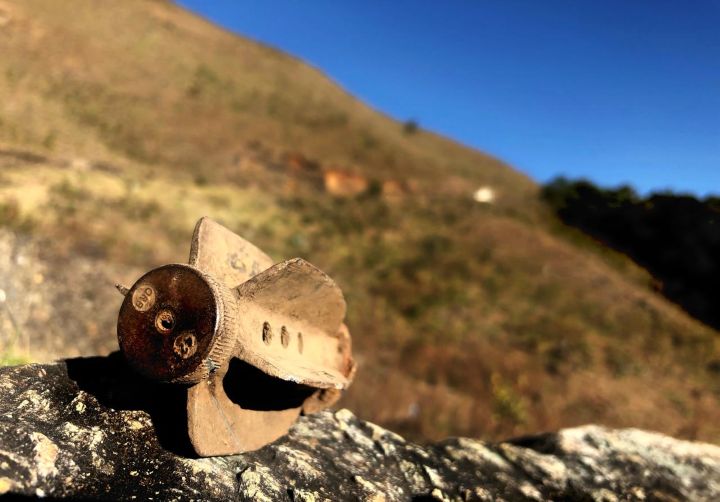
For the past few years, Manipur has lived under a kind of emotional exhaustion that is difficult to fully describe unless one has experienced it from within. Much of the public conversation around the crisis has understandably revolved around violence, governance, ethnic tensions, displacement, security, and institutional paralysis. Those are the visible dimensions of the conflict. They dominate headlines and political discussions because they are measurable, immediate, and dramatic. But beneath all that lies another quieter erosion that receives far less attention.
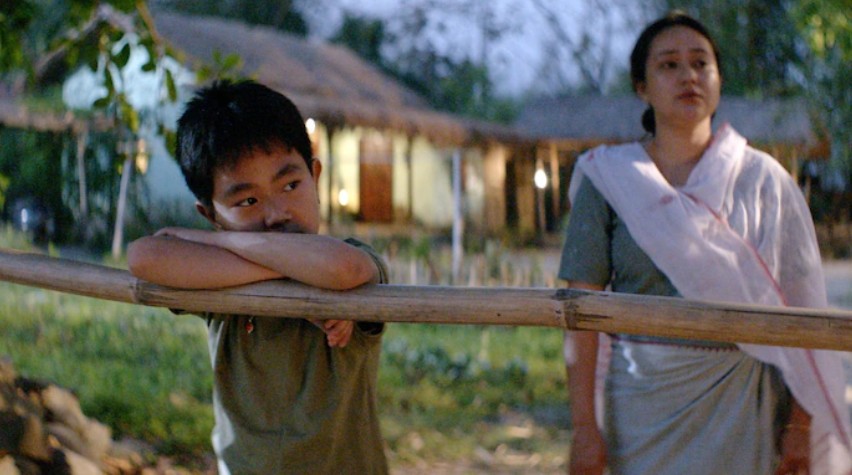
Children are growing up inside this atmosphere too. And children notice far more than adults often assume. They may not understand the language of politics, but they understand tension instinctively. They notice when adults lower their voices during conversations. They notice roads people no longer travel after dark. They notice when schools suddenly shut down again, when parents speak anxiously about money, when internet shutdowns return, when routines disappear without explanation. Even silence communicates something to children. Sometimes especially silence.
Over time, instability settles into them quietly, not always as trauma in the dramatic sense, but as a permanent uncertainty about the world around them.
Perhaps one of the cruellest things prolonged conflict does is that it teaches children to adapt to conditions that should never have become normal at all.
In Manipur, education has always carried emotional weight far beyond academics. Even families struggling financially often treated education as the one fragile bridge toward dignity, mobility, and a more stable future. Parents sacrificed enormously for it because education was never merely about marks or employment. It represented hope itself — the belief that their children might inherit a life less fearful and less limited than their own.
Today, even that hope feels strained. There are children studying inside relief camps after displacement. Students preparing for examinations while living inside overcrowded temporary shelters. Parents trying to rebuild damaged lives while worrying simultaneously about school fees, transportation, textbooks, and whether continuity itself is still possible. Teachers continue trying to create discipline and normalcy inside emotionally fractured communities, often carrying their own exhaustion privately.
And even where schools appear functional on the surface, something feels altered in the emotional lives of many young people. One notices it in small ways first. Children often seem quieter now. Teenagers speak about leaving Manipur not simply with ambition, but with urgency, almost as if escape itself has become a life goal. Many young people appear older emotionally than they should be. Somewhere along the way, an entire generation has started learning the psychology of survival before properly experiencing the confidence and care necessary for ordinary childhood.
This changes the meaning of education itself. Education is not merely classrooms, examinations, or completed syllabi. A child also learns through emotional stability. Through safety. Through the assumption that tomorrow is worth preparing for. Curiosity grows best where fear is not constantly present. Imagination requires a certain degree of peace.
And perhaps that is part of the deeper tragedy unfolding quietly across Manipur today. Beyond the visible destruction lies the slower danger of emotional fatigue settling across an entire generation. Children are watching adults lose trust in institutions, in one another, sometimes even in the future itself. Long before children understand the origins of these anxieties, they begin inheriting their emotional consequences.
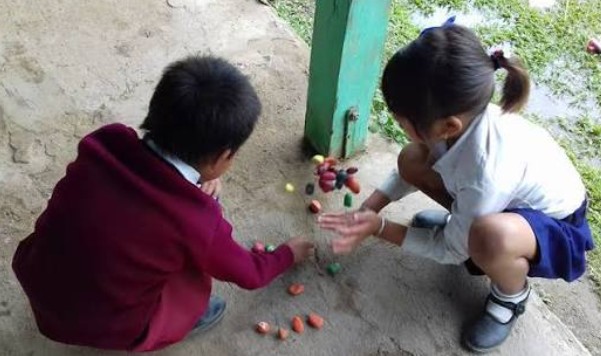
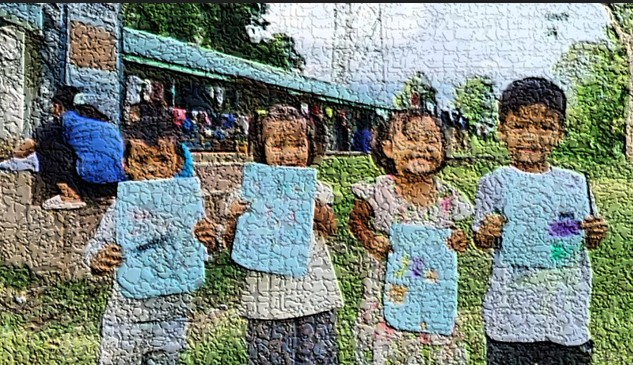
Still, life refuses to surrender completely. Even now, one continues to see extraordinary acts of tenderness and resilience across Manipur. Teachers continue teaching under impossible conditions. Parents continue sacrificing for their children despite uncertainty. Volunteers organise books and support systems for displaced students. And children themselves still laugh somehow. They still play football in narrow spaces, tease one another, dream in fragments, and create moments of normalcy in the middle of emotional chaos.
There is something stubborn about childhood that resists darkness for as long as it can. But resilience can also become a dangerous word when societies begin romanticising it too easily. There is something deeply uncomfortable about constantly praising how “strong” children are while exposing them to circumstances that adults themselves struggle to endure emotionally. Children are not meant to become experts in instability. Survival alone cannot become the standard by which we measure whether they are doing well.
Because the deepest wounds created by prolonged conflict often emerge years later. They shape how people learn to trust, how they understand community, how much hope they allow themselves to carry, and whether they can still imagine a future larger than fear.
That is why Cat Stevens’ question continues to linger with such force decades later:
“I know we’ve come a long way, we’re changing day to day, but tell me, where do the children play?”
In Manipur today, the question no longer feels poetic alone. It exists quietly inside classrooms, relief camps, anxious households, interrupted routines, and in the emotional weariness visible across society. It exists in children studying not always out of excitement or curiosity, but because they fear being left behind in a future already beginning to feel uncertain.
And perhaps that is the real crisis before us now.
Not simply whether institutions resume functioning, examinations are conducted, or roads reopen, important though all those things are. The deeper question is whether children here are still growing up with enough emotional peace to believe life can eventually become larger than fear.
Because once an entire generation loses faith in tomorrow, rebuilding roads, buildings, and institutions will never fully repair what was quietly lost along the way.

Sam Khumanthem writes about home, identity, and the quiet complexities of life in Manipur. His work reflects a deep connection to place, shaped by both love and uncertainty.