
There’s a quiet kind of exhaustion that has settled into life in Manipur. Not just from what is happening around us, but from what is constantly unfolding on our screens. Somewhere along the way—without a clear beginning—many of us slipped into a rhythm of watching, reacting, and believing. Often all at once.
I catch myself in it too. A video appears, a message follows, a claim is made. Sometimes it’s just a 20-second clip I don’t even finish. And still, I feel something—anger, sadness, validation. And that feeling becomes enough. Enough to believe, sometimes even enough to share. Not because I know it’s true, but because it fits a version of events I’ve already accepted. We don’t just consume information anymore—we inherit conclusions.
That’s what has changed. We no longer wait to understand before we respond. We respond first. Understanding—if it comes at all—arrives later.
In a place like Manipur, where everything already feels fragile, social media hasn’t just carried information—it has shaped how we see each other. It nudges us toward sides, draws lines we didn’t always notice, and reinforces them with every scroll. The more we scroll, the more it feels like we are seeing everything—when in reality, it’s fragments. A short clip without context. A forwarded message with no source. A story told from one side, again and again, until it starts to feel complete.
It’s not always about what is outright false. Often, it’s what is missing. A moment presented as the whole truth. Repetition gives it weight. Familiarity makes it believable. And slowly, almost without noticing, what we see begins to feel like all there is.
Somewhere in this cycle, we begin to ask fewer questions. Not because we can’t, but because we don’t pause long enough to. The space between seeing something and believing it has grown very small. And in that space, something important slips away.
There’s also a kind of fatigue in constantly feeling like we have to react. Every day brings something new to be outraged about, something that seems to demand an immediate response. After a while, it gets harder to tell whether we are reacting to reality—or to a version of it that’s been sharpened for attention. We start trusting what feels immediate rather than what is actually true.
And then, without fully realizing it, trust shifts. We hesitate to believe people we know, yet accept what comes from unknown sources. A forwarded message. An anonymous account. A voice without accountability. Somehow, it becomes enough—especially when it echoes what we already feel. Truth starts to feel less like something we examine, and more like something we agree with.
There’s also a quiet pressure to belong. To see what others are sharing and move with it. To question too much begins to feel like stepping out of line. So we go along. We react, we amplify, we carry things forward—sometimes without fully thinking about what we are part of.
This isn’t about intelligence. It’s not that people have stopped thinking altogether—it’s that we are thinking in a space that doesn’t allow depth. Everything is fast, compressed, and urgent. There’s little room for doubt, and even less for complexity. And yet, the reality we are living in is anything but simple.
Maybe that’s where the real loss is—not just in truth, but in our willingness to sit with uncertainty. To admit that we might not have the full picture. To hold back, even when everything around us pushes us to react.
Discernment doesn’t disappear all at once. It fades in small moments—in the times we don’t verify, in how easily we accept something because it feels right, in the habit of not questioning.
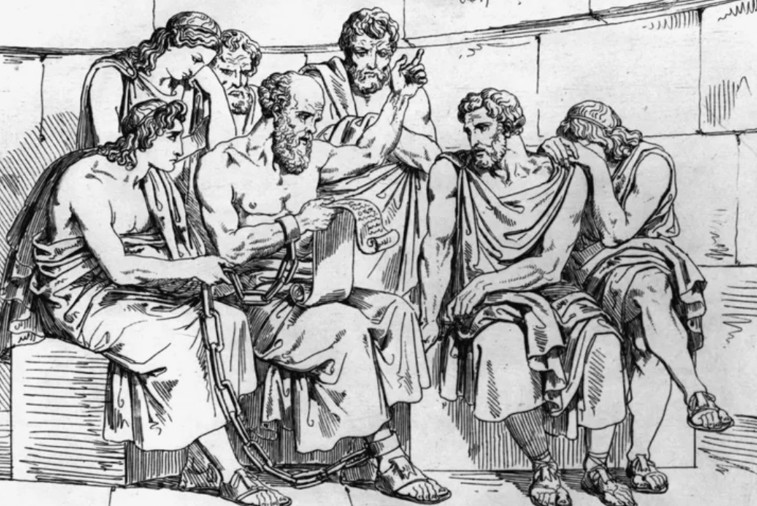
And maybe the way forward isn’t dramatic. Maybe it begins with something small. A pause. A decision not to immediately believe what we see. To ask, quietly: is this complete? is this fair? is this real?
Because right now, that pause might be one of the few things still in our control.

Sam Khumanthem writes about home, identity, and the quiet complexities of life in Manipur. His work reflects a deep connection to place, shaped by both love and uncertainty.

1 thought on “When We Stopped Questioning”
This article is thoughtful and easy to relate to. It clearly shows how social media can affect how we think and react, especially in difficult times. The idea that we sometimes believe things without checking them is very real.The tone is calm, which makes it stronger. The ending about taking a pause is simple but powerful, and it gives readers something useful to think about.🙏🙏
Comments are closed.