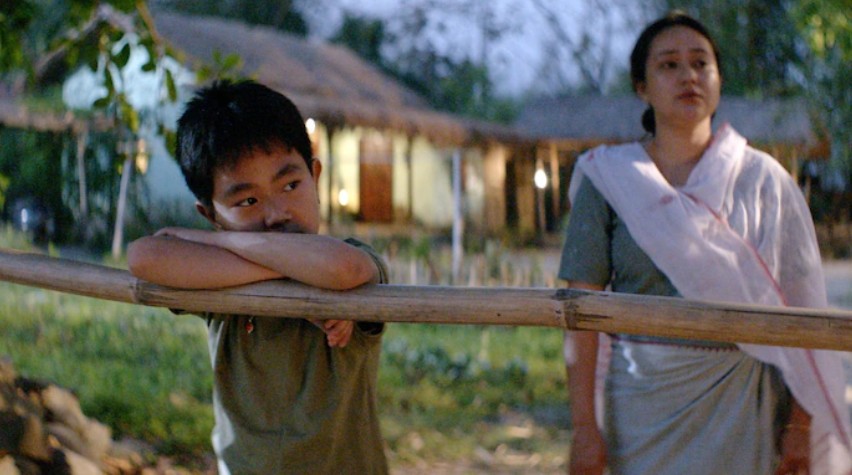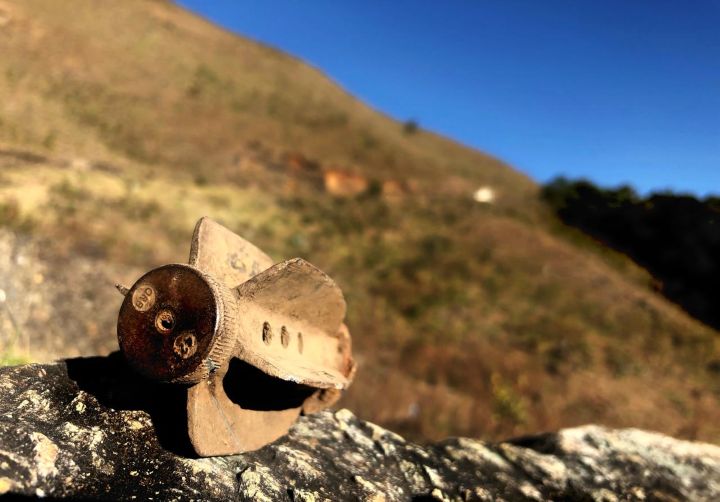
Manipur, the so-called “Land of Jewels,” has always felt a little mysterious to me. Maybe it’s the way the hills stretch endlessly once you leave Imphal, or how the air feels different when you’re on those winding roads. It’s beautiful—there’s no denying that. The kind of beauty that doesn’t try too hard, but still stays with you.
People come here, fall in love with it, and then leave. But somehow, they keep coming back.
For those of us who are from here, it’s different. Manipur isn’t just a place we visit or admire—it’s something we carry with us. It’s in the way we think, the way we speak, even in the things we complain about. For all its flaws, it still feels like home in a way that’s hard to explain to someone from outside.
We grow up around dust, broken roads, narrow lanes, and things that don’t quite work the way they should. And yet, over time, those same things become normal. Familiar. Even comforting, in a strange way. You stop noticing them as problems and start seeing them as part of life here.
But there’s also something else that everyone from Manipur knows too well—this constant sense of things falling apart.
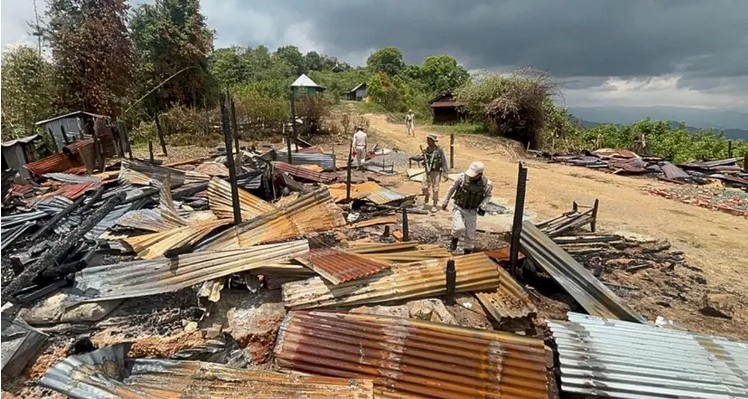
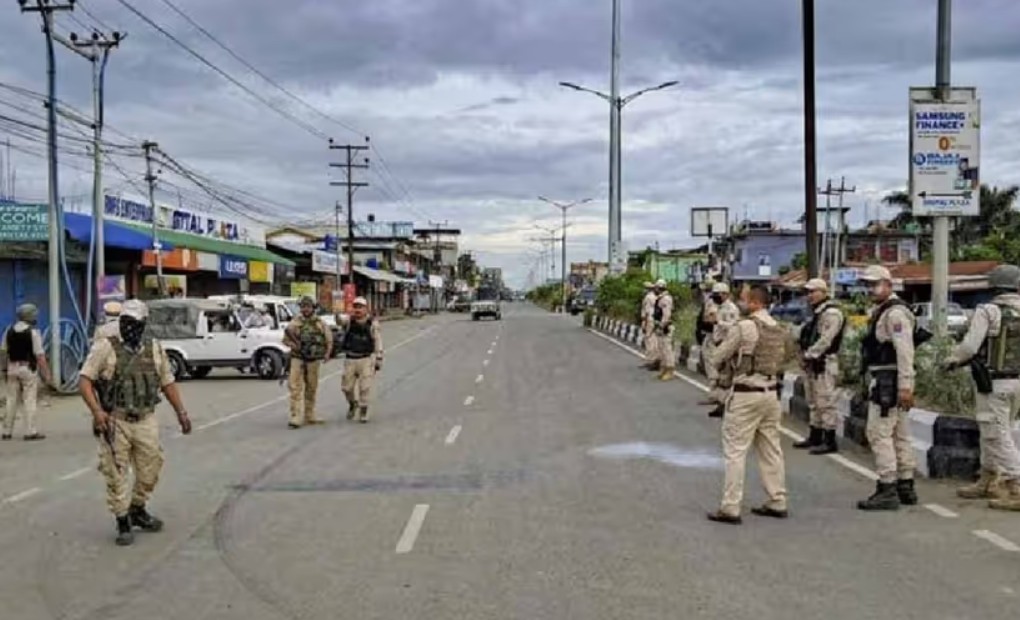
Every generation has seen it. The unrest. The tension. The sudden shift in everything. It happens so often that it almost feels predictable, even when it shouldn’t be. Sometimes the reasons don’t even seem that big in the beginning. But things escalate quickly here. Lines get drawn before you fully understand what’s happening. People pick sides. Relationships change.
And once that happens, nothing really goes back to the way it was.
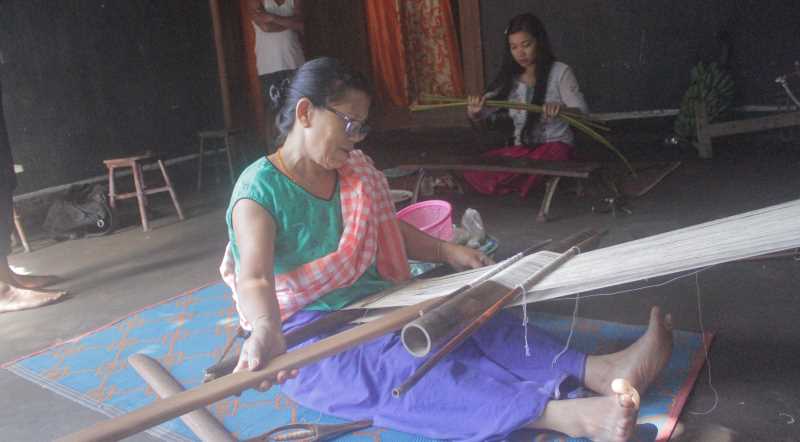
What’s strange is that all of this exists alongside so much talent and culture. Manipur has given so much—especially in sports. For a small state, the number of athletes who have made it big is honestly incredible. And it’s not just sports. Our dance, our music, our traditions—they carry so much history and meaning. There’s depth here. There’s pride.
Which is why it’s hard not to ask: why does it feel like we’re always on the edge of breaking?
If you look back, every decade since the 1950s has had something—some major shift, some crisis, some moment that changed everything. People moving from one place to another, sometimes by choice, often not. Communities getting reshaped. Stories changing depending on who tells them.
It’s like history here is never settled. It keeps getting rewritten.
And that does something to people. It makes you uncertain. Not just about the future, but even about the present. You start to wonder how stable anything really is.
For people like me, and so many others who genuinely love this place, that’s where things get complicated.
How long do you just accept things as they are?
How long do you say, “this is just how it is here,” and move on?
At some point, you start questioning things you never thought you would. Not because you don’t care—but maybe because you care too much. You think about whether it makes sense to keep investing your time, your energy, your life here. Whether it’s enough to just love a place, or if you also need to feel secure in it.
And then there’s the question of loyalty.
We don’t like to admit it, but it does get tested. Quietly. Slowly.
Would we think twice before building something here? Before committing to staying long-term? And what about the younger generation—are they going to feel the same attachment, or are they going to choose something more stable, somewhere else?
There’s no clear answer.
Because even with all of this—despite the uncertainty, the frustration, the repeated cycles of unrest—there’s still something that keeps us tied to this place.
Maybe it’s memory. Maybe it’s identity. Maybe it’s just the feeling that no matter where you go, this is still the one place that feels like yours.
Manipur has always been like this—beautiful, complicated, unpredictable. You can’t fully love it without also being aware of its problems. And you can’t fully criticize it without feeling like you’re betraying something.
So we live in that in-between space.
Appreciating what we have. Questioning what we don’t. Hoping things will change, even if we’re not entirely sure how.
What a time it is to be living in Manipur.
Not just because of what it is—but because of what it’s constantly becoming.

Sam Khumanthem writes about home, identity, and the quiet complexities of life in Manipur. His work reflects a deep connection to place, shaped by both love and uncertainty.