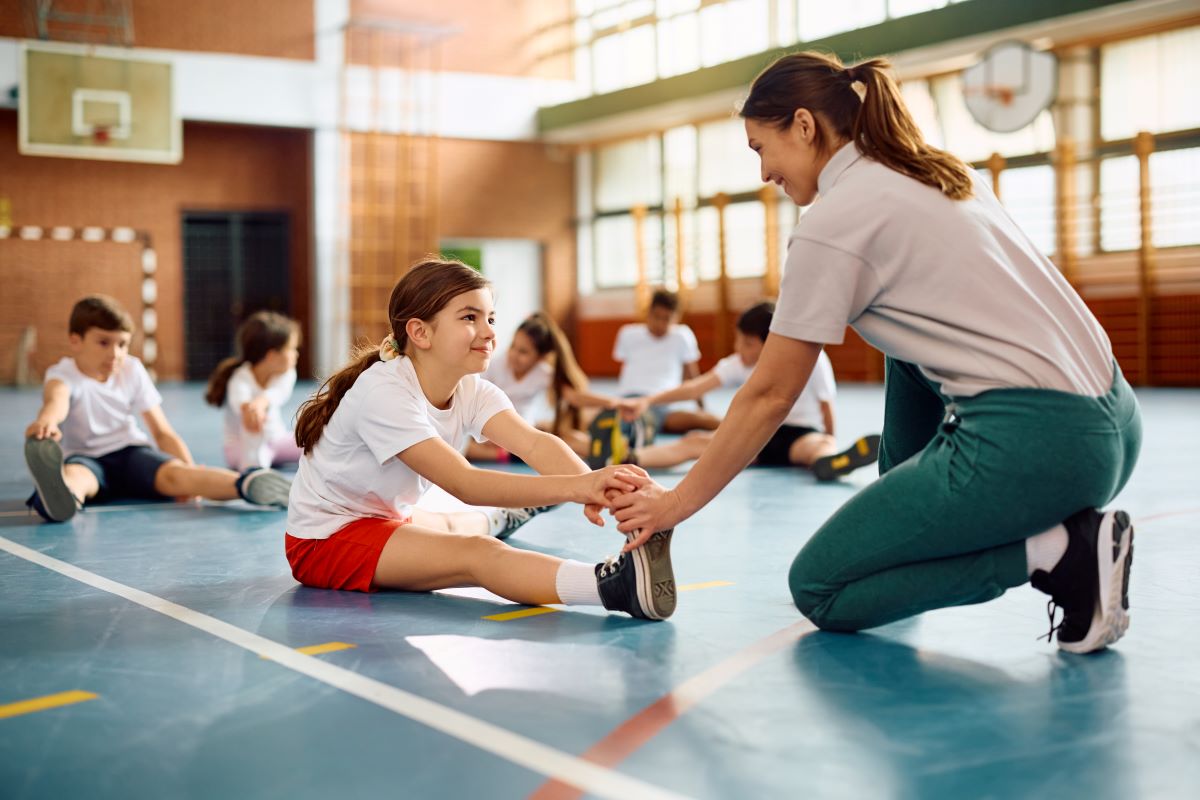
In the bustling environment of modern education, teachers are expected to be more than just purveyors of knowledge; they are mentors, leaders and role models. The influence of sports on the character development of educators is profound, shaping how they manage the classroom, handle academic stress and nurture students. In popular culture, sports have long been regarded as an outdoor that promotes fitness and health. Meanwhile, regular participation in games keeps us physically fit and the importance of sports in our lives goes beyond fitness and health. Sports serve as a dynamic platform for nurturing a range of life skills, fostering teamwork and encouraging individuals to work together towards a common goal. This skill is invaluable in various aspects of life both in academics and workplace.
Sports require a high level of discipline, regular practice, adhering to rules and time management. An educator who has experienced this understands the importance of structure, punctuality and a strong work ethic. Sportsmanship also emphasizes fair play and respect for opponents. Teachers who embody these values are more likely to be honest and fair towards students, creating a trustworthy learning environment. Engaging in sports can shape character by teaching discipline, teamwork, leadership, decision making and resilience, all of which are essential skills for personal growth. Through sports, teachers gain experience that helps them navigate both challenges and successes. One of the primary benefits of sports is the discipline it instills. Regular training schedules, adherence to rules, respect for officials and commitment to practice instill a disciplined mindset. Discipline learned on the playing field often translates into other areas of life, such as academics.
Sports demand consistent effort, handling failure and pushing through discomfort that builds grit and self-discipline. This discipline translates to other areas of life, teaching young students to work diligently towards goals and persevere despite obstacles. Sports also play a crucial role in building integrity and sportsmanship. Weinberg and Gould state that participation in sport activities is able to build character, improve one’s moral reasoning and educate to apply sportsmanship. Learning sports activities contains ethical values of fair play. Fair play is primarily an ethical framework rooted in integrity, adherence to rules, and respect for others regardless of personal relationship with them. According to Lutan, fair play is a form of self-esteem as reflected in (1) honesty and sense of justice, (2) respect for the opponents, either in defeat or victory, (3) attitude and selfless actions, (4) assertiveness and authority in the event of an opponent or spectators who do not play fair, and (5) humility in victory and peace/Self-control in defeat. All these teach us that success achieved through unfair means is hollow, while honest effort and perseverance carry true value. Such lessons are essential for shaping responsible citizens and ethical leaders.
The core of sports is teamwork and it emphasizes the importance of collaboration to understand the value of working toward a shared goal. Shared goals and collective effort fosters communication and mutual support, leveraging every individual’s strength for the greater good of the team. Teachers who have experienced this often become better at building a collaboration classroom environment, supporting colleagues and also promoting student group work. Sports not only encourage teamwork but also help in developing leadership skills through self-awareness and emotional intelligence.
Decision making under pressure is another leadership skill cultivated through sports. Games often require quick thinking, strategic planning and adaptability. The player must assess situations rapidly and choose appropriate actions. Athletes can learn to play to their strengths and weaknesses and constantly strive for improvement by being conscious of their abilities and shortcomings. They are also trained in emotional regulation, pressure tolerance and empathy for both rivals and teammates. Self-awareness of all these qualities helps quick decision-making, helping teacher learn to assess situations rapidly and trust their instinct, crucial for a high-pressure classroom environment which is essential for effective leadership.
Implications for integration games and sports
It is often hard to include sports, games and other related activities to the development of teachers, partly because of insufficient infrastructure and resources. Since many institutions have insufficient playgrounds and sports equipment, the chances of learning remain limited. This problem exacerbates into an even more difficult situation because of budget restrictions and also the absence of a formal sports program. These issues need to be addressed in order to develop a well-rounded instructor.
Attitudes also hamper the incorporation of games and sports in the school/college activities. Many institutions consider sports as secondary or non-essential activity. This viewpoint is supported by faculty and institutional leadership who trivialize the importance of physical education in professional and personal development. This difference is also widened further as the social attitude supported intellectual accomplishment rather than physical fitness. To overcome these obstacles, we need a culture shift of values in the world of sports to promote leadership and general well-being.
The inclusion of games and sports in the all-round development of teachers has a number of difficulties and challenges. One of the main challenges is that teachers hardly find time for physical activity due to the academic pressure in addition to the lack of enough facilities to support the sports programme. Layer of complexity also comes from stakeholders like faculty and parents who favour academics over sports. So, we need to developed a well-organised strategy to get past these obstacles.
In conclusion, sports and games develop mental toughness, physical health and success oriented life skills that are vital for an all round development in people. For sports to be integrated into educational program, institutions and policymakers need to invest infrastructure and frame a curriculum that is inclusive which will encourage the atmosphere of active participation. The implementation of these actions will enable teachers and students to embrace well-rounded, balanced development to actualize their full potential.

The writer is Asst. Prof. Department of Zoology, St. Joseph College, Ukhrul.Manipur