
Nepotism — favouring relatives or close associates over merit — continues to influence institutions across society, and the media sector is no exception. While the public sees media as a neutral messenger, the reality inside many newsrooms, studios, and digital teams is often shaped by invisible networks of personal ties.
This article does not target any specific media house, organisation or individual. These reflections arise from general observations, shared conversations and issues publicly discussed across many regions. Many media institutions continue to uphold ethical standards — this piece recognises and appreciates them. The intention is not accusation, but reflection, so that fairness and dignity can flourish across the profession. Media houses today seem to be growing like mudrooms after rain — appearing everywhere, expanding rapidly and multiplying in number. Behind this silent expansion lie subtle forces such as nepotism, preferential selection and unequal practices that decide who enters, who speaks, and who rises. Without pointing fingers, it is worth reflecting on whether these roots support healthy journalism, or merely allow rooms to grow without foundations.
Media’s Duty and the Hidden Cost of Favouritism:
Media carries a democratic responsibility — to inform, analyse, question power and uphold truth. Its credibility rests upon public trust. However, when prestigious roles — from anchors to editorial heads — are filled through influence rather than merit, that trust weakens. Viewers may not witness internal decisions, but they can sense when reporting seems curated, or when particular faces repeatedly dominate screens without convincing justification.
This concern is sharper in electronic media, where visibility is instant and impressions form in seconds. When new entrants rise quickly because of connections instead of capability, the obvious question emerges: Is it talent, or lineage, that earned the seat? Even the perception of nepotism is enough to damage credibility.
The Irony of Union Elections:
One of the saddest contradictions appears during elections of journalist unions. In those moments, every single journalist suddenly becomes valuable. Candidates visit, persuade, and make calls — because missing even one vote can change the result. For a short time, every member’s presence and voice matter.
And yet, when that same journalist retires after decades of service, often no act of honour is offered. No citation, no farewell message, no public thanks. A voice once powerful enough to elect leaders becomes invisible.
If the value of a journalist’s voting right is acknowledged, then the value of their lifetime contribution deserves equal, if not greater, respect. Gratitude should not expire after elections.
When Veterans Leave Without a Voice:
Across India, senior journalists have shaped society — travelling to remote areas, reporting through storms and conflict, documenting injustice and carrying public pain on their shoulders. Yet many later find their responsibilities reduced once younger, connected recruits enter the system. Retirement sometimes feels like quiet removal — their weaknesses highlighted, their sacrifices forgotten. It is like sugarcane discarded after its sweetness is extracted.
When such wisdom leaves unrecognised, newsrooms lose guidance. Young journalists are left without mentors. Institutional memory — the silent textbook of experience — disappears. Society loses along with the profession.
Why Reform Matters — Beyond Morality:
A media house that respects merit and honours people earns something priceless — public trust. Ethical media deserves long-term public support, because its integrity protects democracy. Reform is not only moral — it is necessary for survival. Audiences will not remain loyal to institutions that fail their own people.
A Path Forward — Practical Steps:
- For journalism to remain strong, transparency must become culture:
- Recruitment based on clear criteria — entry through skill, not connection.
- Defined promotion and assignment policies.
- Formal retirement honours — citations, farewell gatherings, advisory roles.
- Mentorship platforms linking seniors with young reporters.
- Ethical union functioning — dignity beyond election time.
- Leadership chosen through competence and integrity.
- A newsroom that protects merit becomes a lighthouse — guiding society instead of merely observing it.
Final Appeal:
Democracy needs journalism. Journalism needs integrity. And integrity demands fairness.
Media is trusted to speak for the voiceless — it must also honour the voices within its own walls. Let us encourage media houses to choose merit over favour, honour over silence, and dignity over temporary usefulness. Only then will journalism continue as a true pillar of democracy — built not on relationships, but on truth.
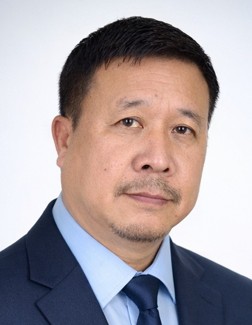
The writer is an educationist, presently serving as an Assistant Teacher at Don Bosco High School, Langjing. He is actively engaged in literary writing and social commentary, and has nurtured many young minds who are growing to become future pillars of society. His work is driven by a commitment to ethical values, civic awareness and dignity across all professional spaces.