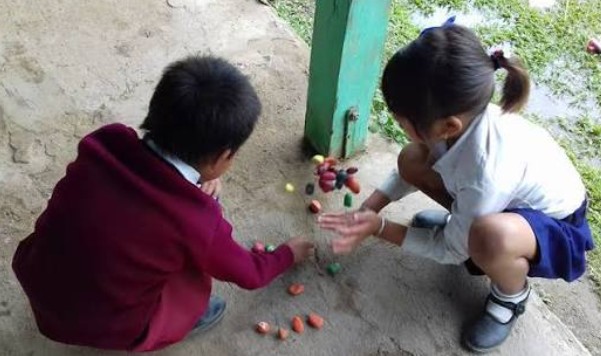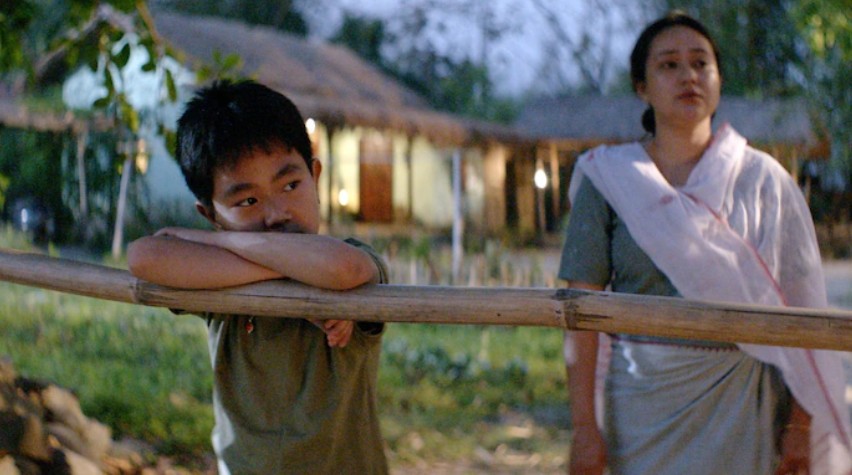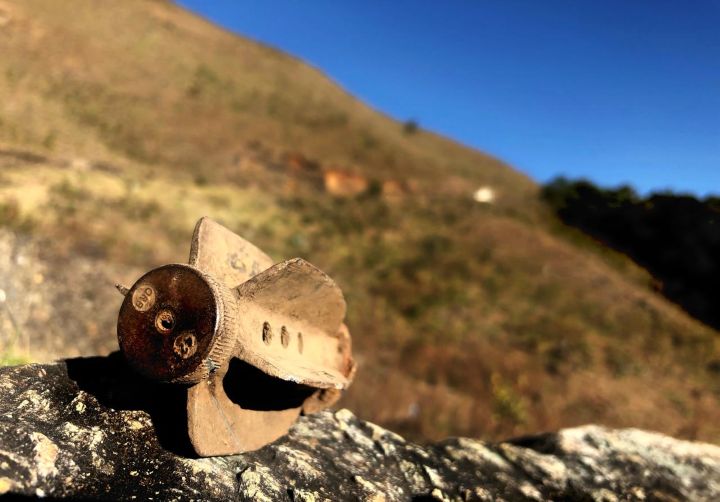
Imphal, April 2026 -The bomb attack in Bishnupur district on April 7, which killed a five-year-old boy and his six-month-old sister and injured their mother, has once again pushed Manipur into turmoil. Protests erupted across the Imphal Valley, clashes with security forces left three more civilians dead, and curfews and internet shutdowns returned. What should have been a moment of collective grief quickly hardened into another episode of ethnic polarization – the continuation of a violent conflict between the Meitei and Kuki communities that erupted nearly three years ago.
Increasingly, national and local media frame every incident through community identity – Meitei or Kuki, valley or hills – a pattern that deepens mistrust and fuels competing narratives. While such reporting reflects the state’s physical and social segregation, it also reinforces the sense of two separate worlds rather than a shared Manipur. Social media further accelerates this divide, circulating unverified claims and inflammatory rhetoric that radicalizes youth and complicates reconciliation.
Manipur, a state of 3.2 million people bordering Myanmar, has long been prone to ethnic unrest. Manipur’s cycle of violence since the 1970s stems from a toxic mix of historical grievances, deep ethnic divisions, economic neglect, armed insurgent groups, repeated failures of governance and political dialogue, and entrenched gender discrimination and patriarchy. It is not a single conflict but overlapping layers of power abuse, separatism, economic backwardness, inter-ethnic clashes, resource competition, and the weaponization of gender-based violence.
Even though the current crisis between the Meitei and the Kuki has hardened into something more intractable: a self-reinforcing cycle of mistrust, militarization, and political paralysis. It is also the latest chapter in a conflict shaped by decades of unresolved grievances. The state’s merger with India in 1949 remains contested in public memory, and the rise of Meitei insurgent groups from the 1960s onward set the stage for prolonged unrest. Naga and Kuki armed movements added new layers of territorial and ethnic contestation, while the imposition of the Armed Forces (Special Powers) Act in 1980 deepened alienation.
The violence persists because root causes are structural and self-reinforcing:
- Ethnic Fragmentation and Competing “Homelands”: Manipur’s 3.2 million people are divided between the hills and the valley. Demands clash over land (hill areas have protective laws), Scheduled Tribe (ST) status (for quotas and safeguards), and autonomy.
- Economic Backwardness and “Profitable” Insurgency: High unemployment (especially among educated youth), poor infrastructure, corruption, and reliance on central funds that rarely reach people create a toxic mix fueling insurgency. Insurgents fund themselves via extortion (“taxes” on businesses, highways) and the drug trade (proximity to Myanmar’s Golden Triangle). Underdevelopment breeds frustration; militancy offers income and status.
- Proliferation of Armed Groups and Factionalism: Dozens of outfits (Meitei VBIGs, Kuki factions, Naga groups) have mushroomed, with shifting alliances. Political players, security agencies and foreign actors all use these armed groups to further their own ends, with patchy ceasefires and similar arrangements enabling continued instability and impunity and undermining rule of law.
- Governance and Security Failures: Successive state and central governments have treated symptoms (military ops, AFSPA) more than roots (political dialogue, development). Allegations of bias, corruption, and neglect persist. External factors like Myanmar’s 2021 coup created a refugee influx, while cross-border arms/drugs flow into Manipur, part of the Golden Triangle narcotics route. Poppy cultivation in the hills fuels both the economy and conflict in the already burning state.
- Entrenched Gender Discrimination and Patriarchy: Deep-rooted patriarchal norms in both Meitei and tribal (Naga/Kuki) societies exacerbate the conflict by making women primary targets and symbols of communal “honor.” Sexual violence is systematically weaponized as a tool of ethnic domination and revenge – women’s bodies become battlefields to humiliate and demoralize rival communities. The 2023 conflict saw horrific instances of women being paraded naked, gang-raped, assaulted, and killed, often in retaliation cycles. This “ethnicized patriarchy” intersects with ethnic tensions, increasing vulnerability during displacement, in relief camps, and amid impunity. Structural discrimination persists in inheritance rights, land ownership, political representation, and decision-making within CSOs and militant groups. Women bear disproportionate burdens – as widows, single mothers, and survivors facing stigma, trauma, and limited access to justice – while their activism is often co-opted or sidelined. This gender dimension sustains radicalization, entrenches divisions, and hinders reconciliation by deepening intergenerational trauma.
- Failure of political actors to champion normalcy and development: Local political entities largely function as clients of the central political players, with no vision or capacity to develop and advocate durable political or economic frameworks that would break the endless cycle of backwardness, insurgency and ethnic strife.
Despite the resignation of former Chief Minister N. Biren Singh in February 2025, a period of President’s Rule, and the appointment of Yumnam Khemchand Singh, a moderate Meitei leader, as Chief Minister in February 2026, alongside deputies from Kuki and Naga communities, there hasn’t been a return to normalcy in the state. Peace meetings and gestures have been held, yet they have repeatedly failed to translate into lasting de-escalation. By keeping the “pot boiling,” vested interests preserve leverage, bargaining power, and the ability to mobilize support along communal lines.
This short-term political calculus, prioritizing power retention over genuine reconciliation, has tragic consequences: ordinary citizens, including children caught in bomb blasts or families in segregated relief camps, pay with their lives and futures. Women and girls suffer layered victimization – targeted sexually to break community morale, then often silenced by patriarchal pressures within their own groups. Youth are radicalized into militias, while economic despair in a neglected border state turns survival into a tool for perpetuating conflict. Impunity persists because accountability threatens the status quo. Allegations of complicity in arms looting, selective enforcement, and delayed interventions have eroded trust in institutions. Leaders issue statements on resettlement or foreign involvement, yet comprehensive dialogue involving all stakeholders, including smaller ethnic groups, remains elusive, as any meaningful concession risks alienating key support bases.
Compounding the political gamesmanship is the troubling role of many Civil Society Organizations (CSOs), which often function more as puppets or extensions of politicians and ethnic power blocs than as neutral bridges for peace. Instead of fostering dialogue and reconciliation, influential CSOs on both sides have frequently amplified divisions, mobilized protests and spread polarized narratives. The Kuki-Zo apex bodies and working committees of CSOs have coordinated blockades, rejected government formations without preconditions (such as separate administration), and issued ultimatums, disrupting highways or public movements. On the Meitei side, CSOs have been accused of promoting radical ethnic agendas, organizing rallies and demands that pressure elected representatives. Critics allege patronage or tacit support from political figures, allowing these CSOs to operate with influence disproportionate to formal governance. While raising legitimate grievances, these actions have at times prioritized maximalist positions over compromise, with accusations that certain CSOs act in alignment with political interests rather than broader peace. Across communities, CSOs have interfered in processes like compensation distribution, census-related demands, and relief efforts, often under pressure or alignment with political patrons.
Manipur’s tragedy is not inevitable but the outcome of structural failures compounded by cynical power plays. When those in authority prioritize retaining power through division and misguidance over the welfare of the people they are elected to serve – including failing to address how patriarchy weaponizes gender in ethnic strife – innocent lives become collateral in a game of political survival. A sustainable path forward requires inclusive, impartial dialogue that transcends electoral arithmetic – equitable development, disarmament with accountability, land and rights frameworks acceptable to all communities, gender-sensitive justice mechanisms to combat impunity for sexual violence, and an end to selective narratives. Without leaders willing to rise above short-term gains and confront the manipulation of ethnic and gender fault lines, flare-ups of the present crisis will recur indefinitely. The people of Manipur deserve leaders who move towards peace, not those who mislead for power. Until that shift occurs, the cycle of violence will claim more futures, leaving future generations to bear the cost of a conflict they did not create. The question remains whether those in power will finally choose the state’s people over their own political fortunes.

The author is Founder & Chairperson of ETA, Northeast Women’s Network